


For Sale
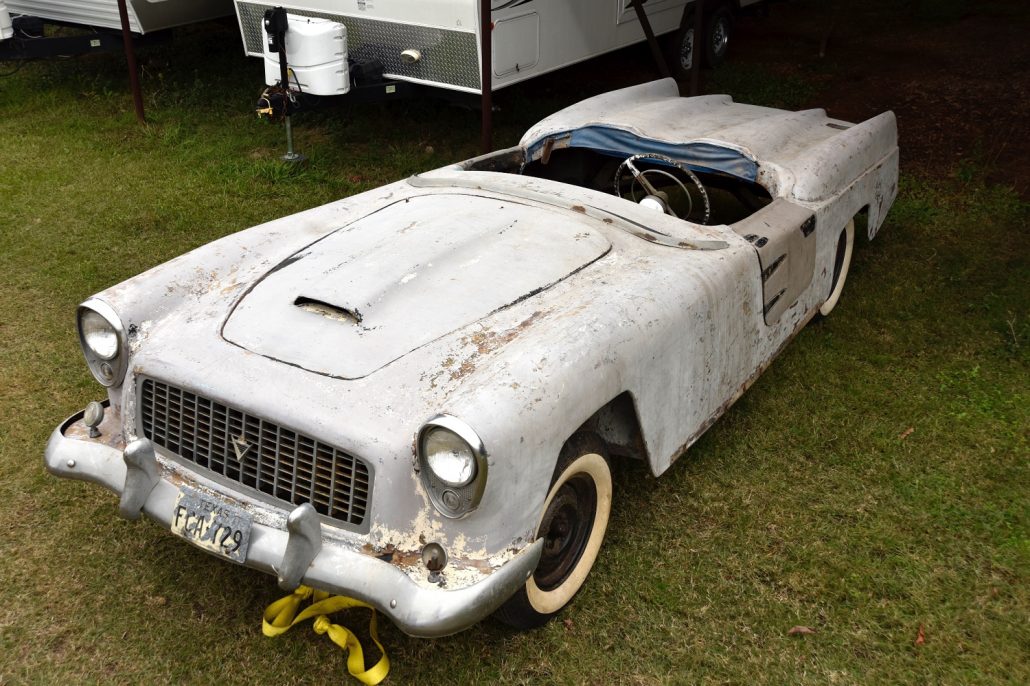
1954 Venus
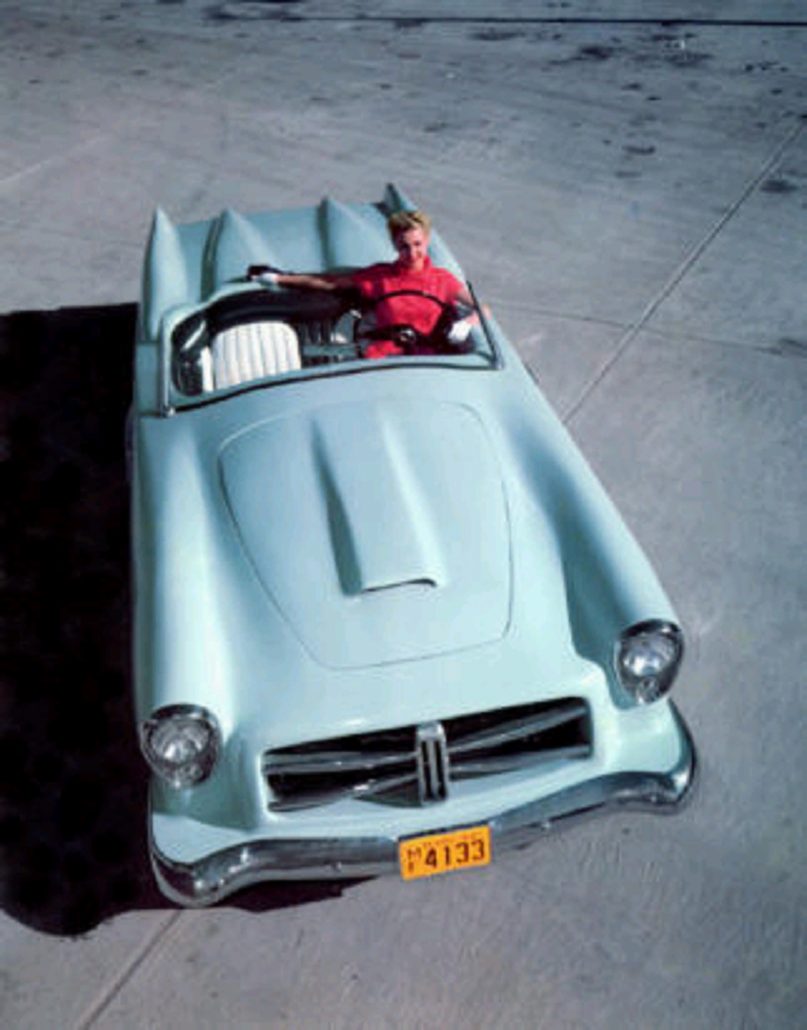
Motor Trend Cover Car From Texas
— 1 of 6 built – just 2 exist —
— Born and Bred in Texas —
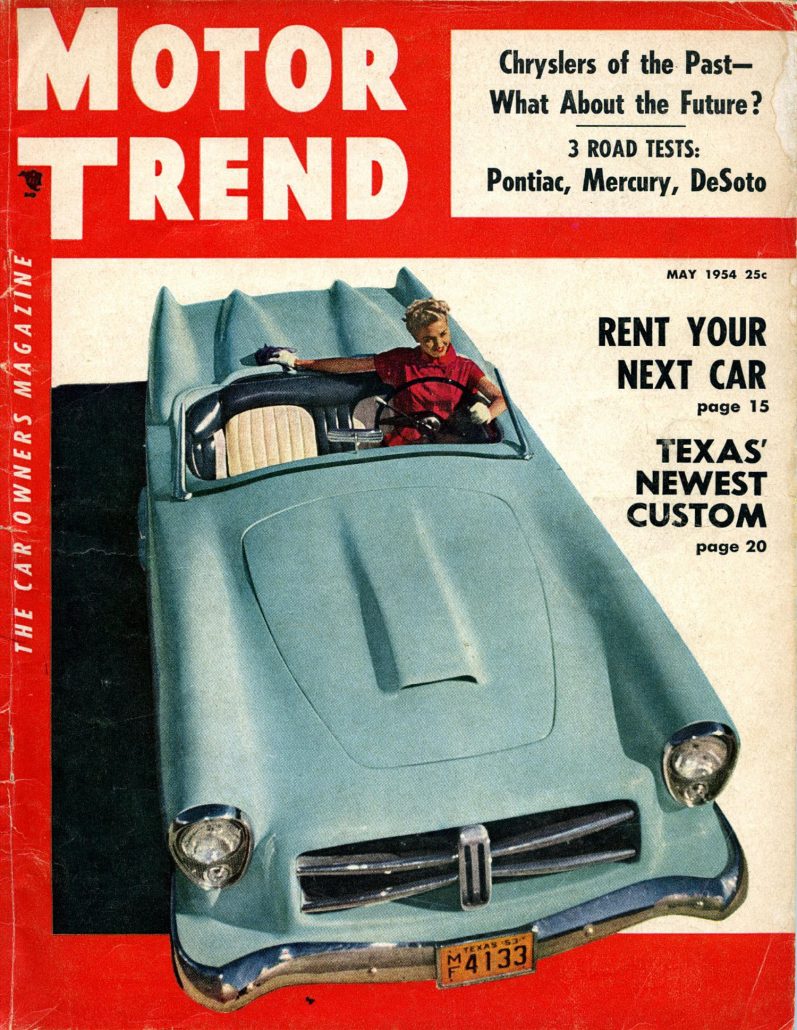
— Motor Trend Magazine Cover Car – May 1954 —
Pricing / Availability
The car is located in Tampa, Florida and is available for purchase at $12,900
Contact Geoff Hacker at (813) 888-8882 or Geoffrey.Hacker@gmail.com
Description
The following information is taken from an article published in Kit Car Magazine in November, 2007
Frankie Avalon was thinking about the Roman Goddess of love when he penned the lyrics to his hit song Oh Venus, but there was another Venus that continues to inspire followers to perform great deeds. It was long, lovely and made of fiberglass.
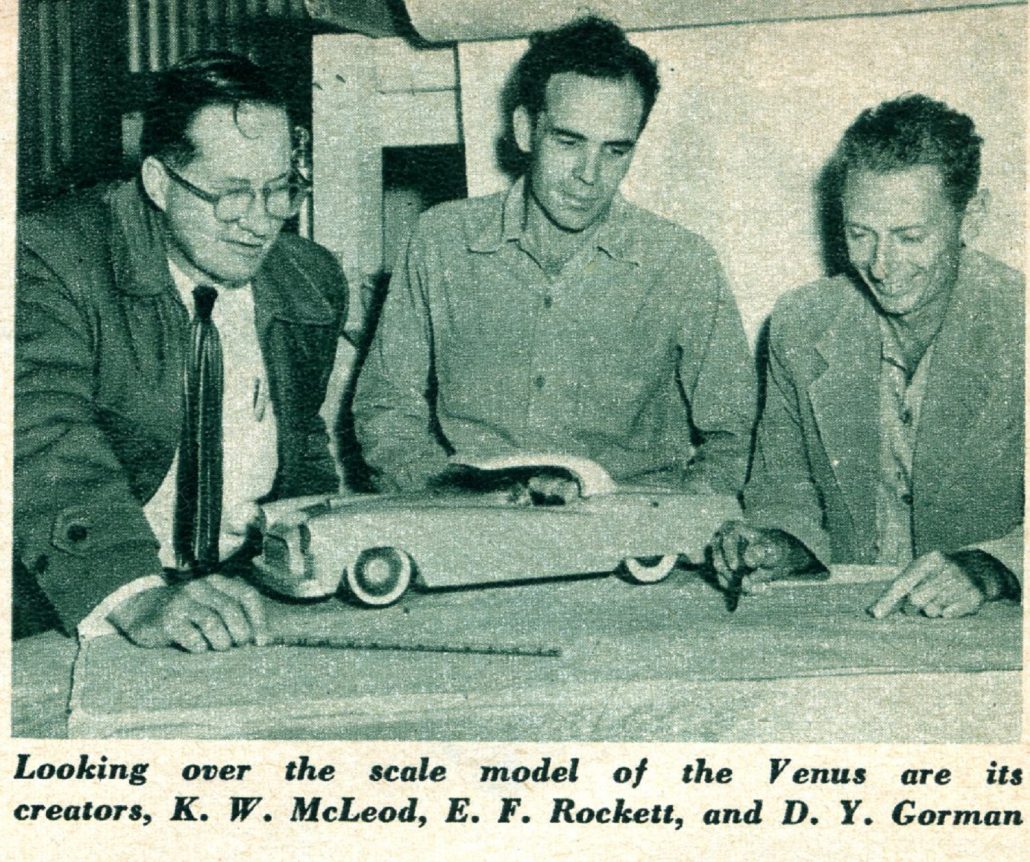
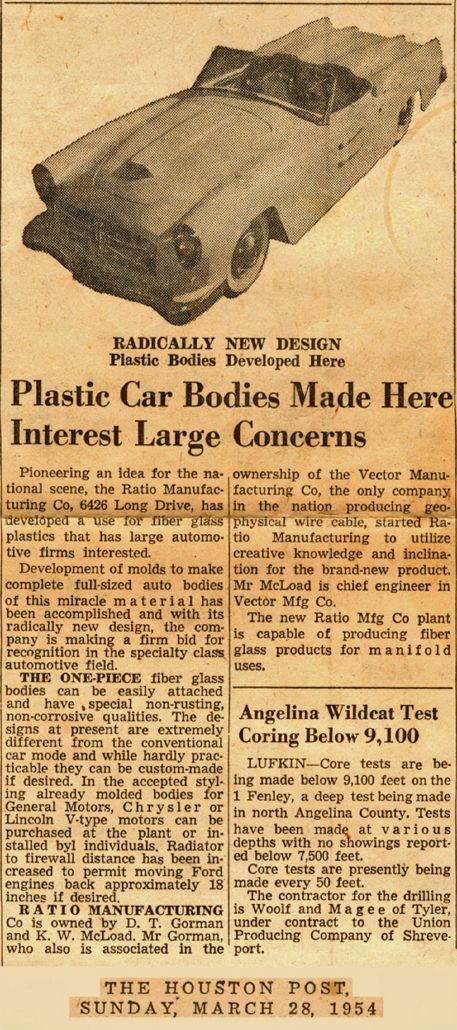
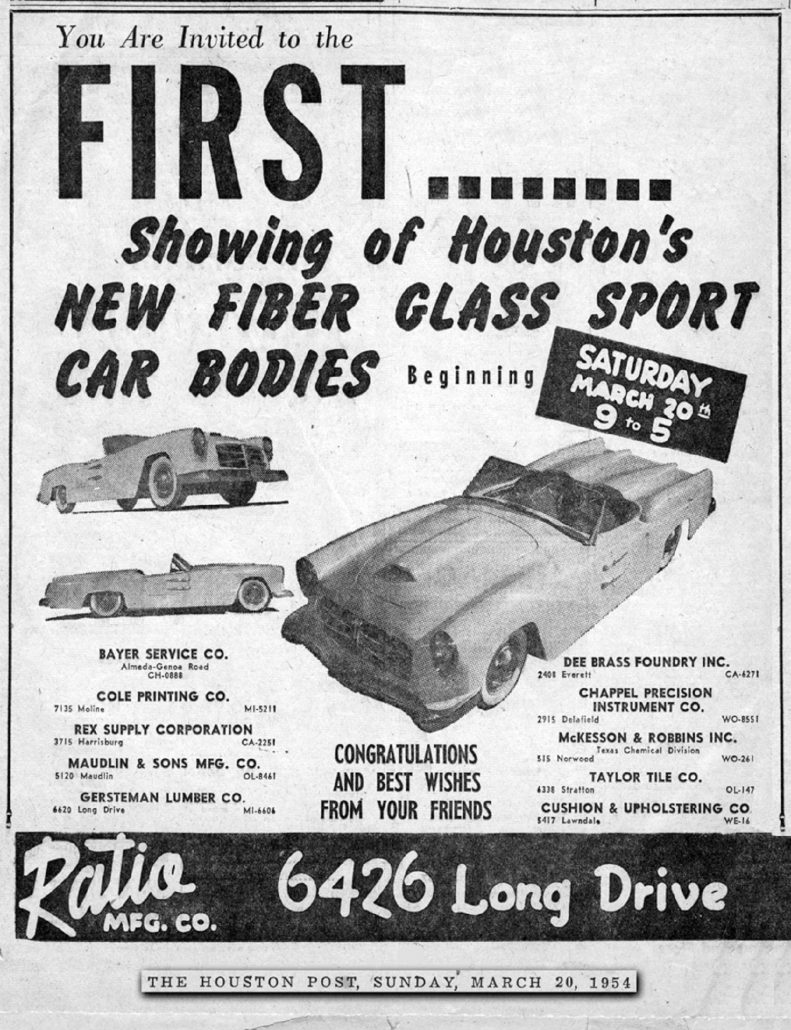
Ken McLoad was a hard-core car enthusiast who wanted to design and build his own car. Nothing unusual in that, there are thousands who constantly think and talk about their dream car project. The difference is that McLoad actually built his. He started the design work in the late 1940s when he was a young geophysical engineer in Dallas, Texas, and when he moved to Houston in 1950 he took the idea with him. He spent the next few years finalizing the details and gathered up two partners, D.Y Gorman and E.F. Rockett, to help bring the project to fruition. Gorman brought business expertise to the operation while Rockett was an experienced pattern maker. Gorman’s teenage son DeWitt also pitched in when the prototype was built. In 1954 the partners formed Ratio Manufacturing Company in Houston and set about launching their new kit car venture.
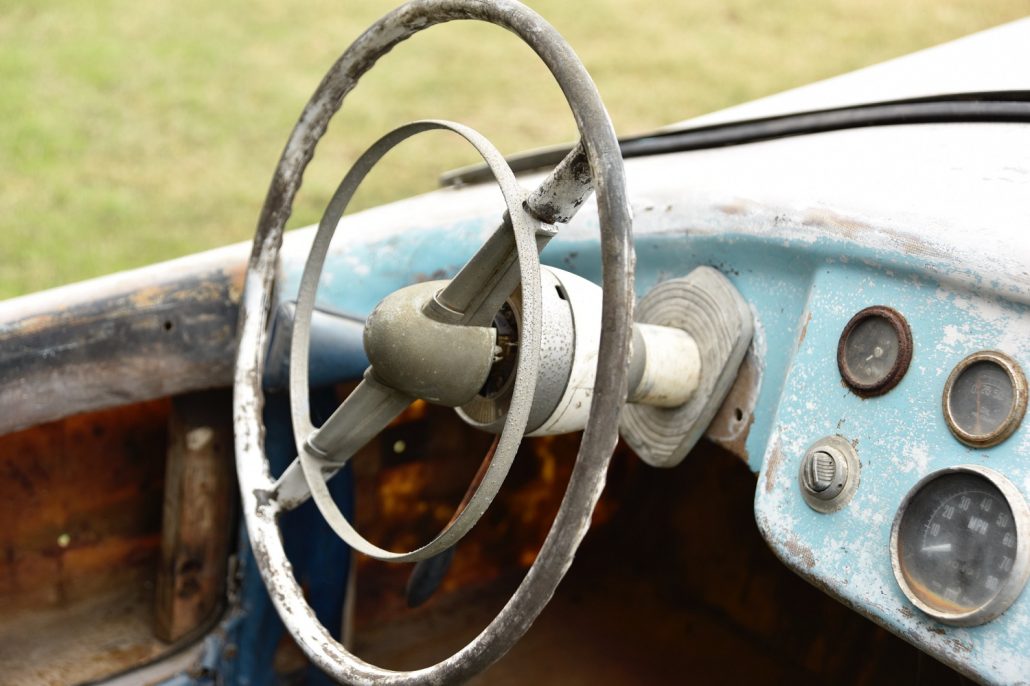
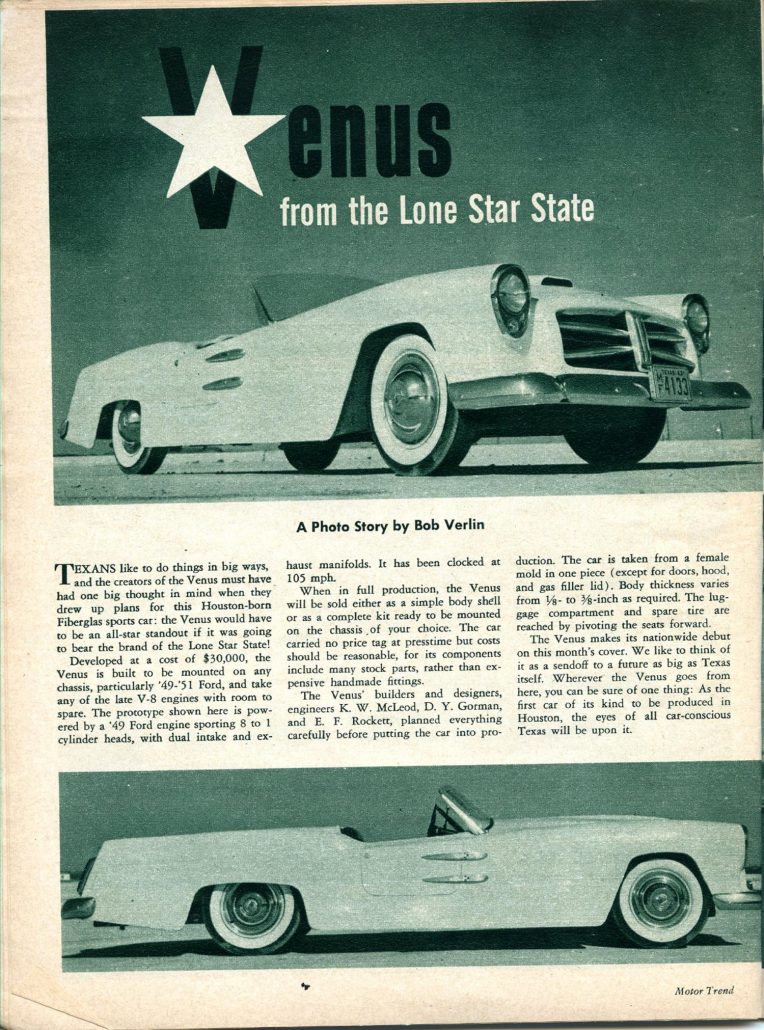
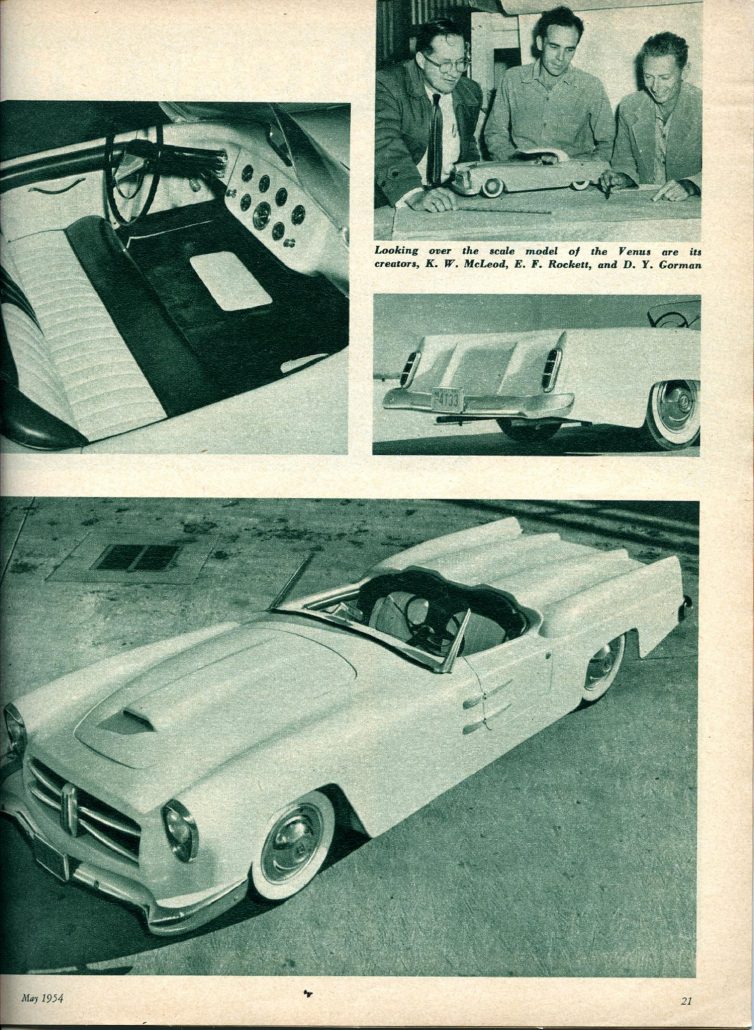
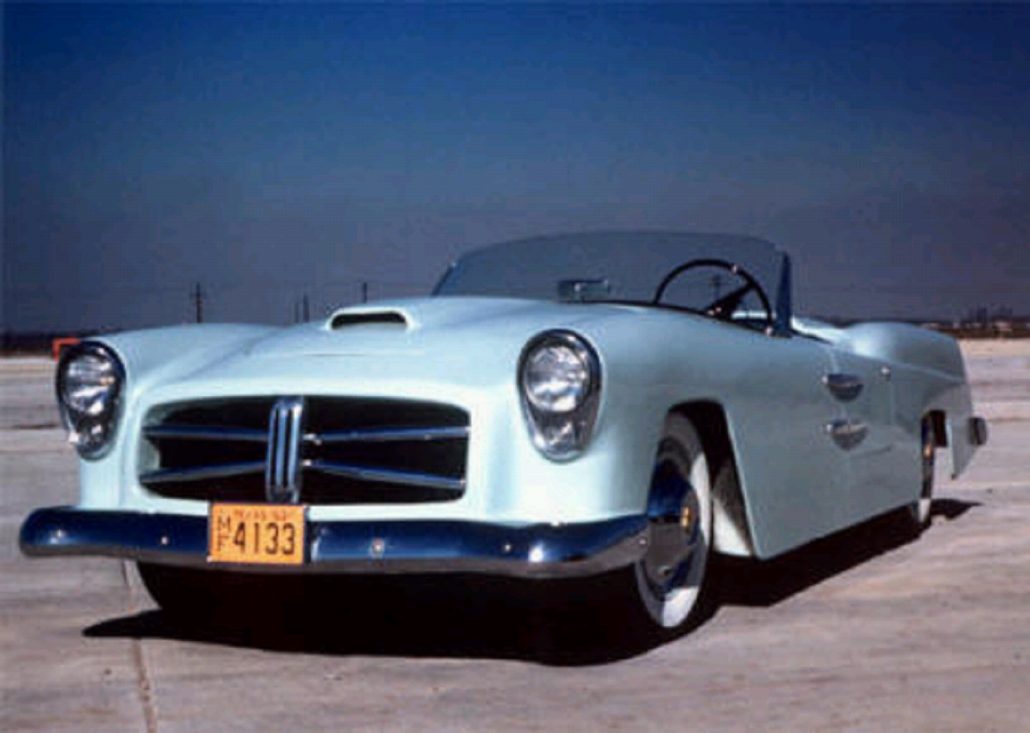
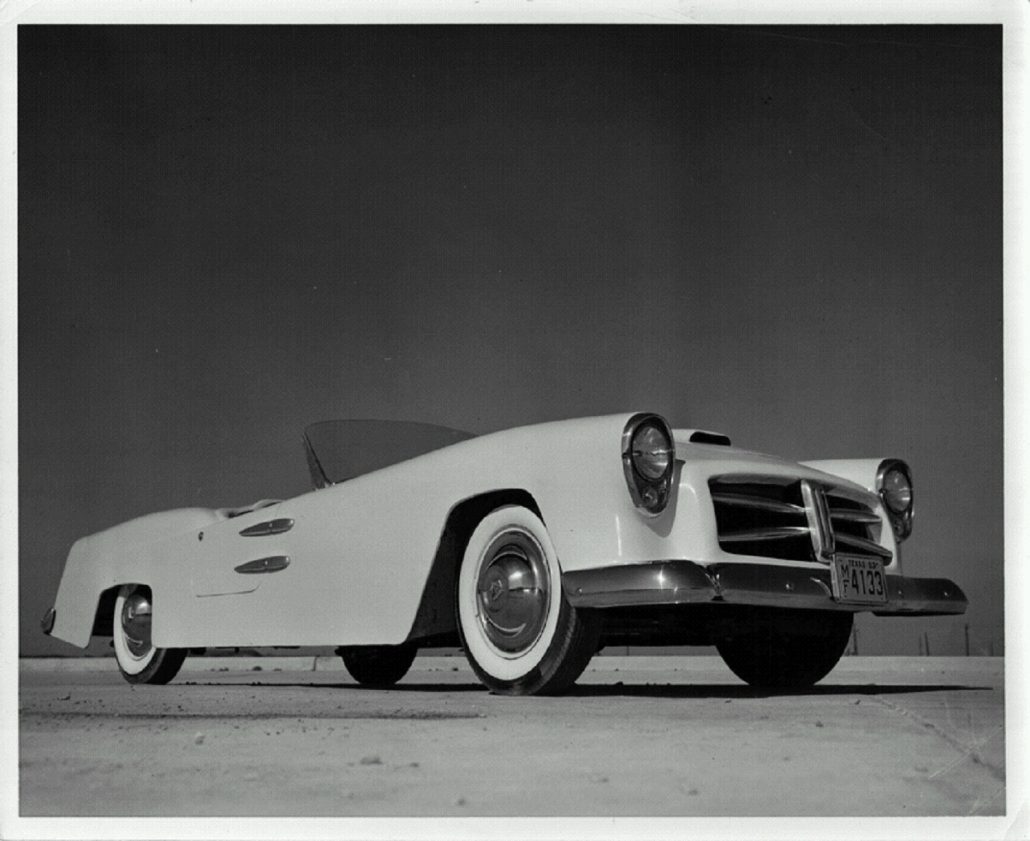
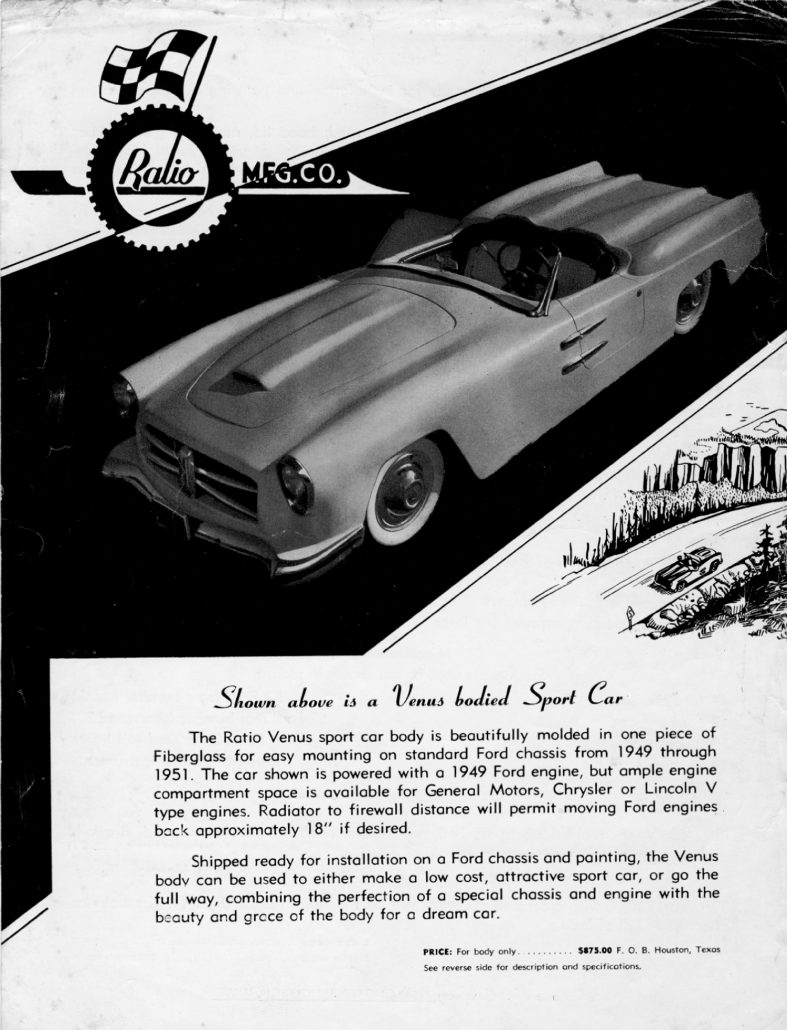
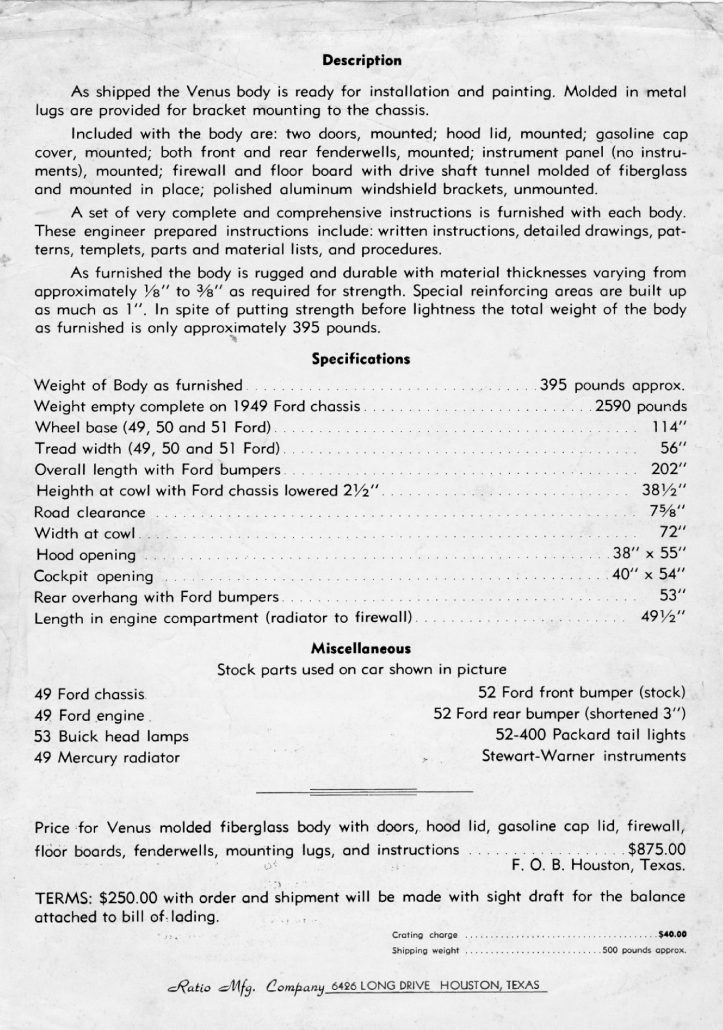
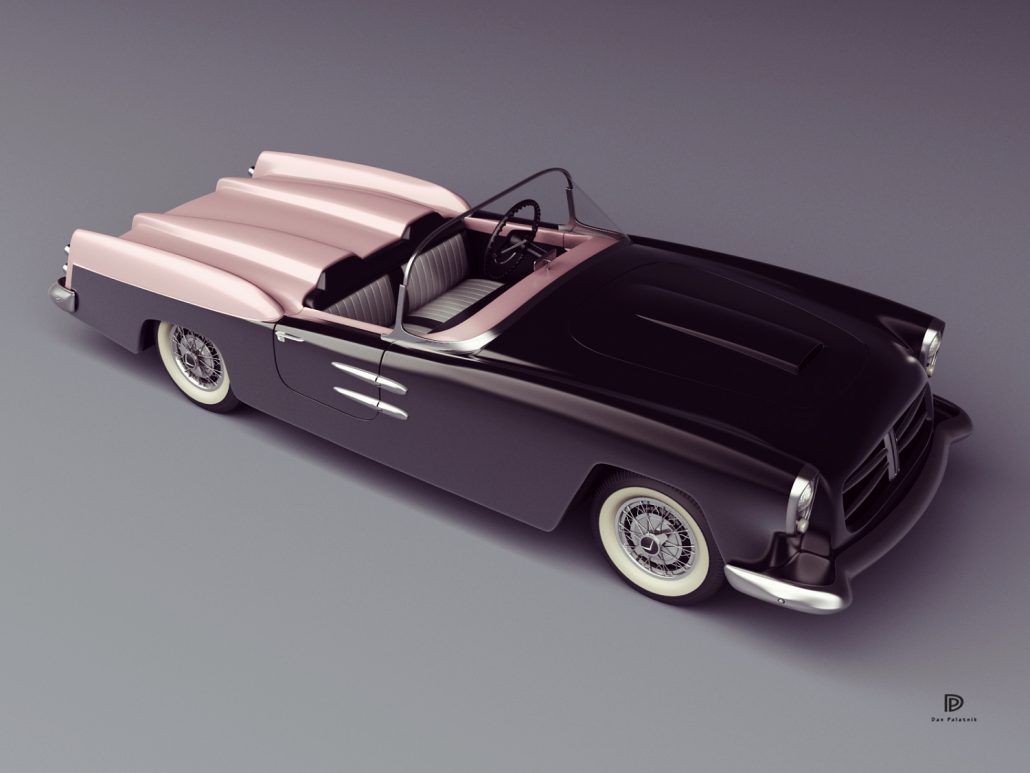
The first model was named the Venus, and it was a looker. It was a two-seat sports car with no top or side windows. The fiberglass bodies were designed to sit on full-length (114” wheelbase) 1949 to 1951 Ford chassis and were priced at $875. The Venus sales flyer revealed that any Detroit V-8 would fit under the long hood and that the engine could be moved back 18”. The body included two mounted doors, a mounted hood, instrument panel, firewall, floor boards and polished aluminum windshield posts. Ratio also offered to assemble turnkey cars for buyers who didn’t want to build one themselves.
There were at least two prototypes but best guesses are that less than 12 body units were sold by Ratio. One was featured on the cover of the May 1954 issue of Motor Trend and this resulted in more potential business that the three young partners, who were also raising families and holding down full-time jobs, had time to deal with (be careful what you ask for, etc).
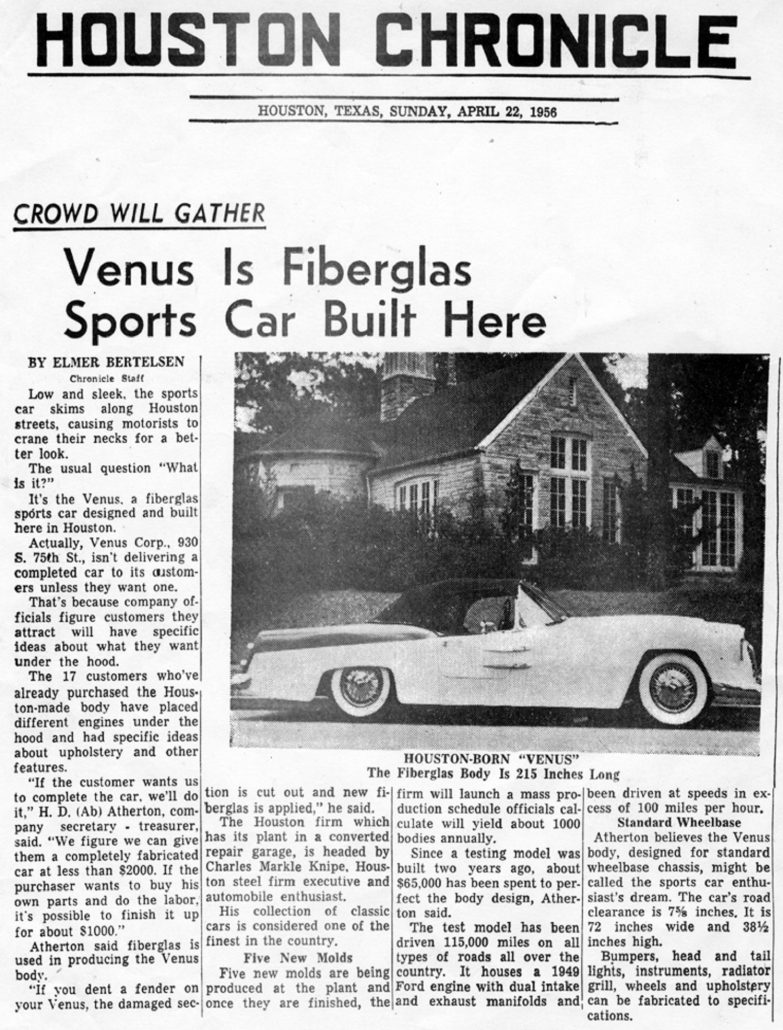
Instead, in 1955 they sold the rights to build the Venus to the Venus Corporation, a new publicly-held company set up by Frank Schulgen and Eddie Kovar specifically to build the car. Kovar was experienced in the fiberglass business, but after developing the car and molds for volume production the project was abandoned in 1957. Although contemporary newspaper articles said 17 cars were sold by the Venus Corporation, this has been debated by former employees who believe only a few, or maybe even zero, new cars were ever sold. Venus had developed at least one prototype with a folding top.
THE NEXT GENERATION
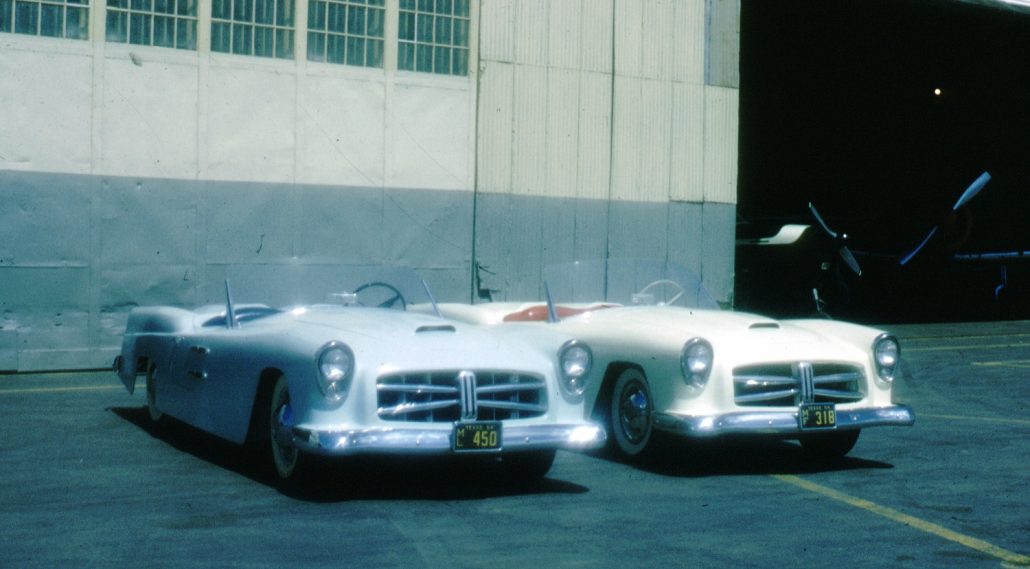
The history of the American specialty car industry is littered with the carcasses of small manufacturers that expired without having built much more than a prototype. What makes the Venus story special is that two sons of principals involved in the Venus saga are currently restoring the only two surviving examples, and yet until recently neither knew the other existed!
Patrick McLoad was only a kid when a Venus shared the family garage in Houston. His dad, Ken, had kept one of the prototypes when he sold the rights to the design, and held onto it until the early 1970s. Patrick had wonderful memories of the Ford flathead-powered machine but by the time he was old enough to start restoring classic cars for a hobby he held out little hope of ever finding a Venus of his own. He had searched for the one his parents had owned, but it had been sold to a business associate who moved to Florida and the trail was cold. But in 2003 Patrick heard that one was for sale in Massachusetts and, after protracted negotiations, he brought it home to Houston.
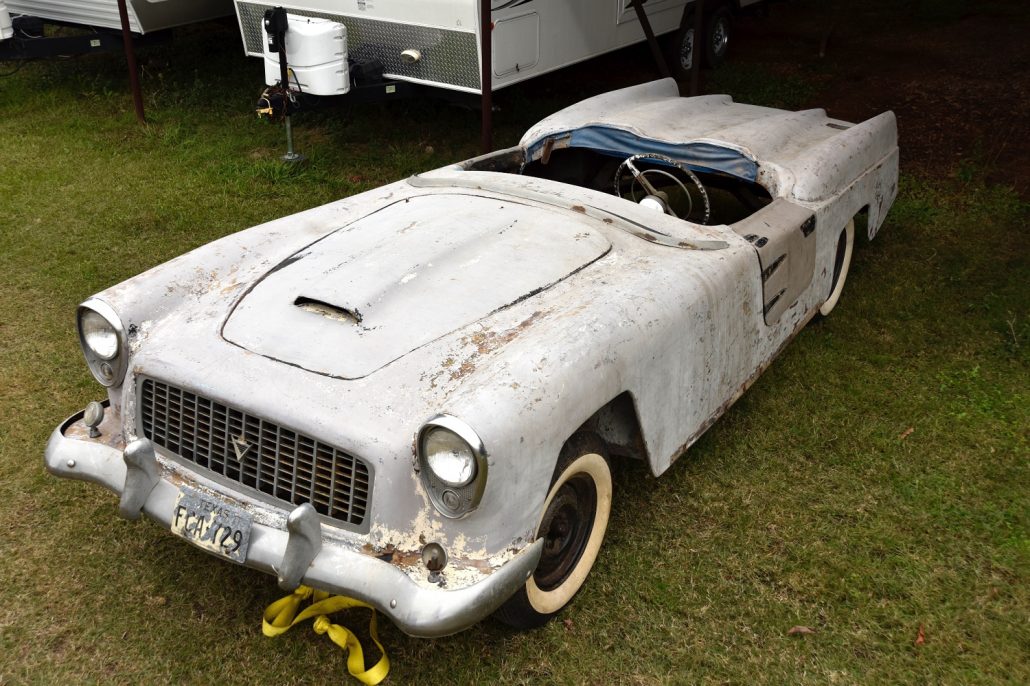
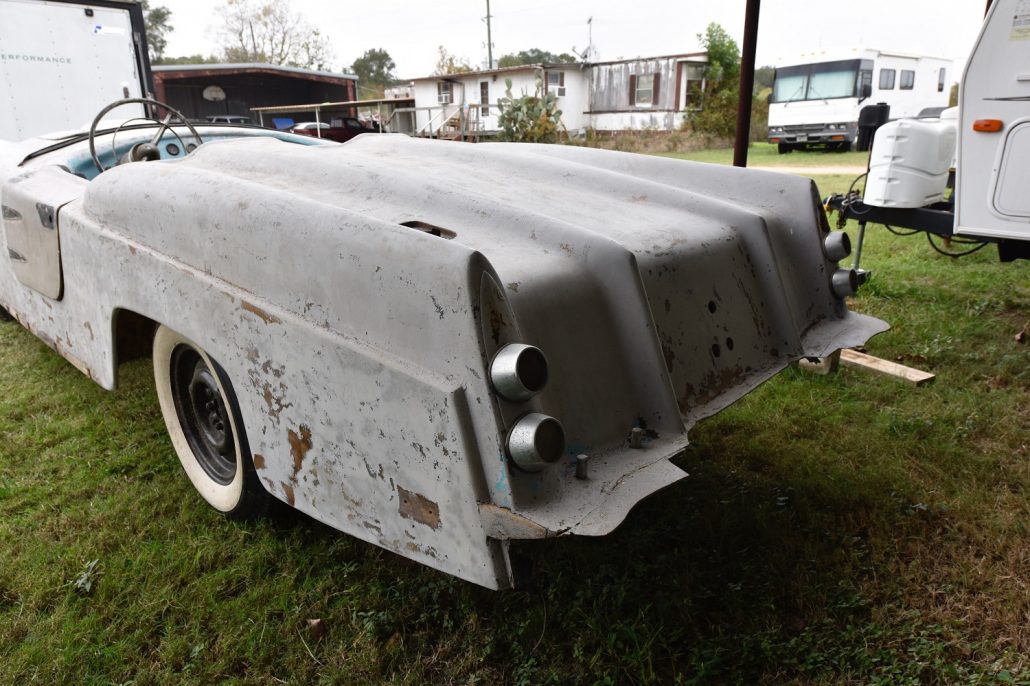
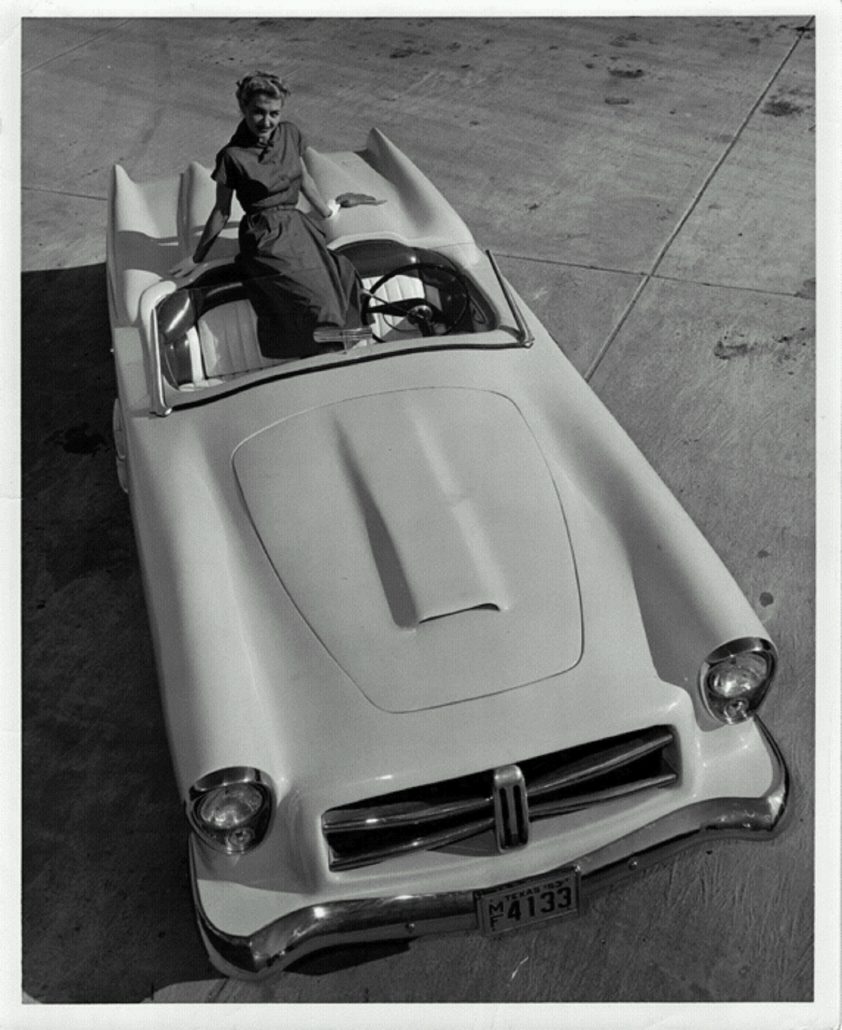
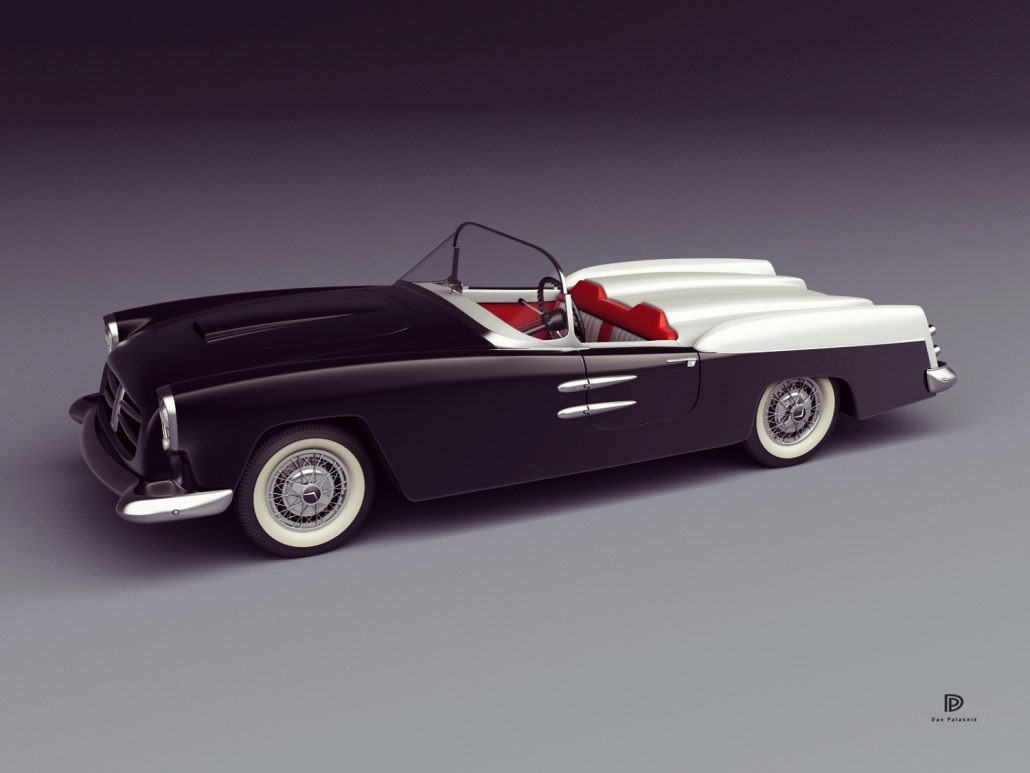
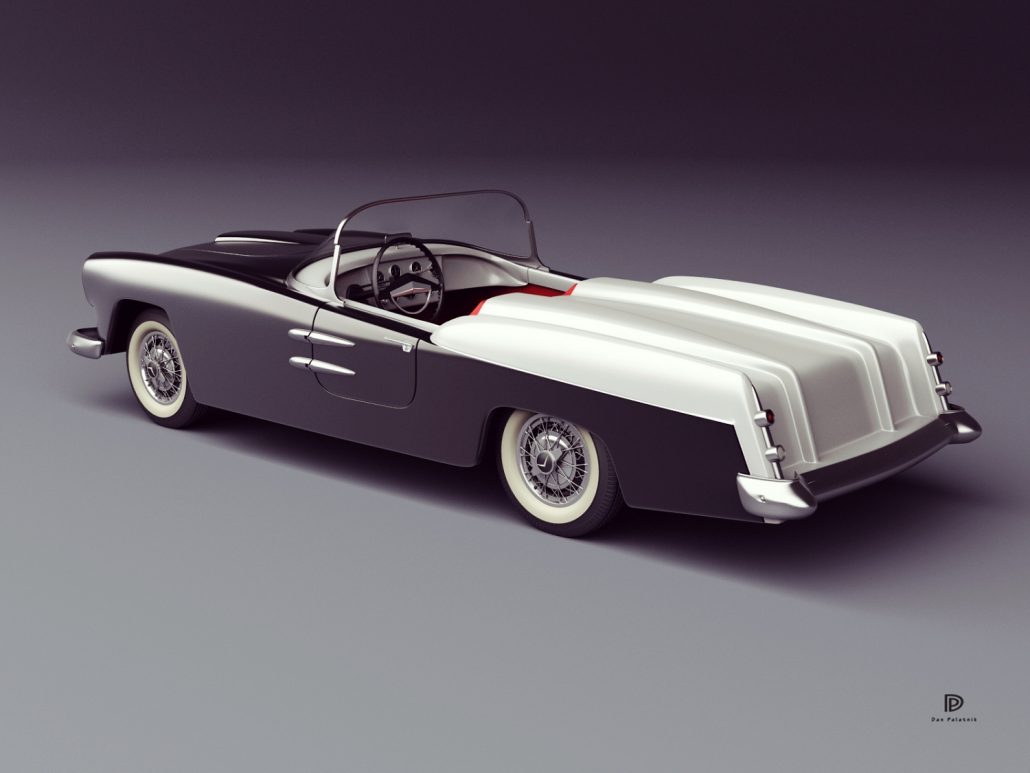
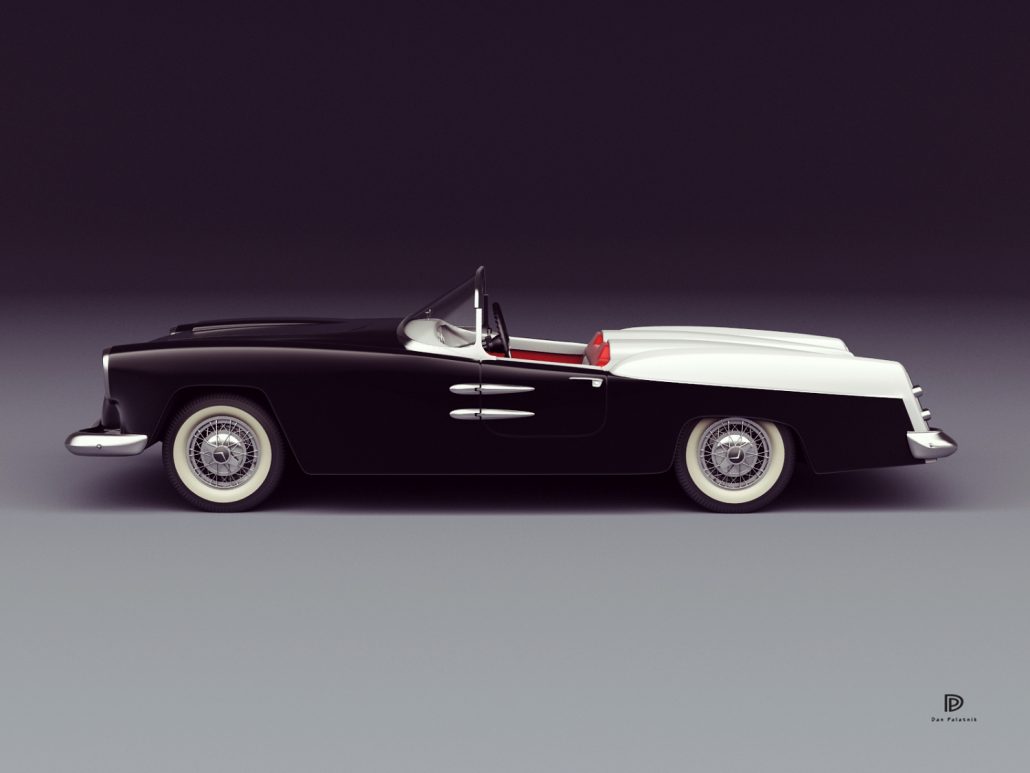
That was when he started finding out more about the cars his now-deceased father had built. It turns out there were two grill configurations, one with a central vertical bar and four spears radiating outward, and a second with a squared-off egg-crate grill. At least one sported a Continental kit on the back to hold a spare tire. All had large external door hinges and 1952 Ford bumpers (narrowed 3” in the rear). The tall tail lights were borrowed from a ’52 Packard and the teardrop head lamps were courtesy of a ‘53 Buick. The thick, sturdy ‘glass body weighed in at 395 pounds and the completed cars was expected to weigh in at 2,590 pounds dry (depending on engine and accessories).
The flathead engine in his car was complete but everything was in very poor condition and some of the running gear and bodywork had been crudely modified, so today it is still a work in progress but coming along nicely. McLoad started a section of his web site, www.mcload.com, to provide the history of the cars and show his extensive resto in step-by-step form.
It was during the research phase of his project that McLoad located Jack Kovar, son of Eddie Kovar who had been a partner in the Venus Corporation. Not only did Kovar have stacks of photos and documents relating to the Venus, he even had a car of his own he picked up in 1965 from an ad in the Auto Trader! It was also undergoing a thorough restoration. Remarkably, both Venus owners live in the Houston area and hopefully the two surviving fiberglass goddesses will soon be making their owners’ dreams come true!
This Car
This car appeared on the cover of Motor Trend in May 1954 (see photos below). Of the 6 Venus sports cars built, just 2 remain. The car does not come with an engine or transmission.
Technical Specifications
Body Design:
- Body Design By Ken McLoad
Drivetrain:
- Engine and transmission are missing.
Chassis, Suspension and Brakes:
- 1950 Ford
Additional Detail
Concours Embraced: American handcrafted specials have been welcomed across the country, and in recent years this has expanded to rallys, special exhibitions and more. What drives interest in these cars is the unique design and history of the build – in every case a story that is a “one of one.” Since 2007, major concours such as Amelia and Pebble Beach have held classes of these cars on several occasions, and both the Amelia Island Concours d’Elegance and the Pebble Beach Concours d’Elegance have featured classes of these cars in 2023 and 2024.
Auction Results / Comparable Sales: Click Here To View Auction Results For American Specials
Hagerty Valuation Guide: Click Here To View Hagerty Valuation Guide
Modern Photos
Vintage Articles
Vintage Photos
Vintage Brochure and Ads
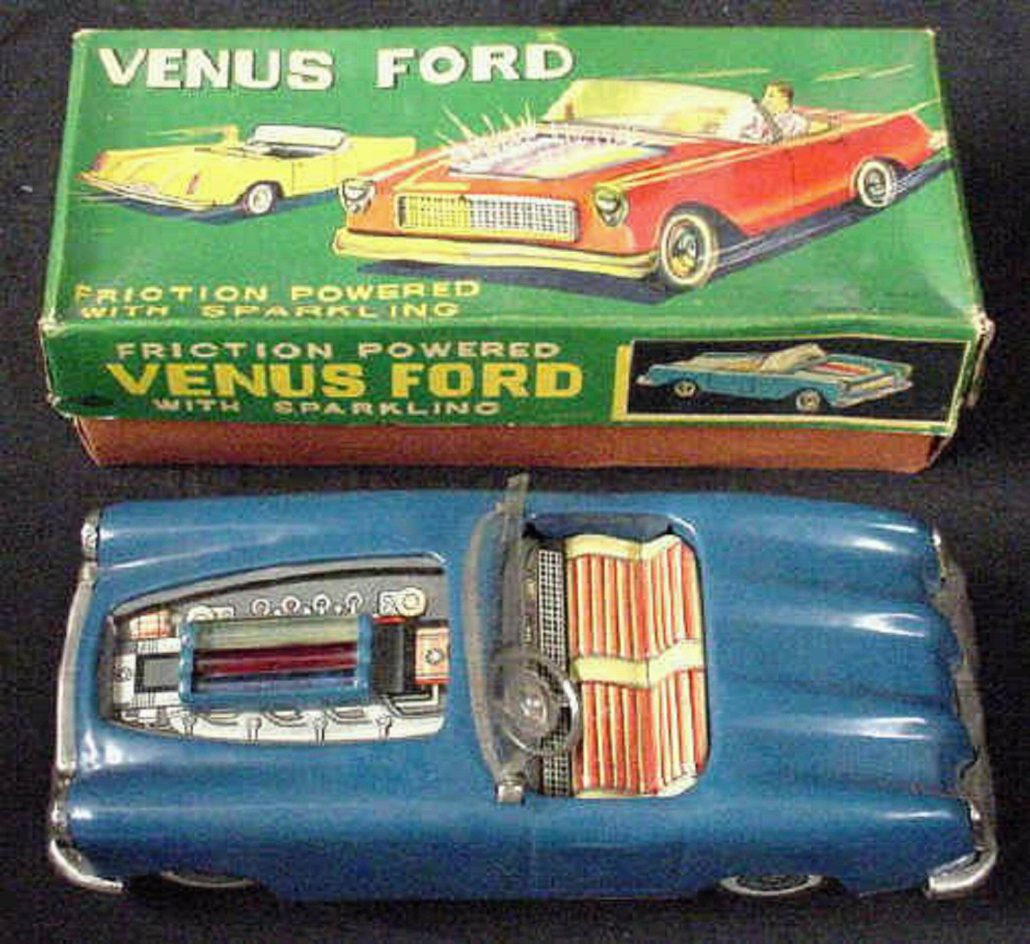
Venus Tin Toy From 1950s
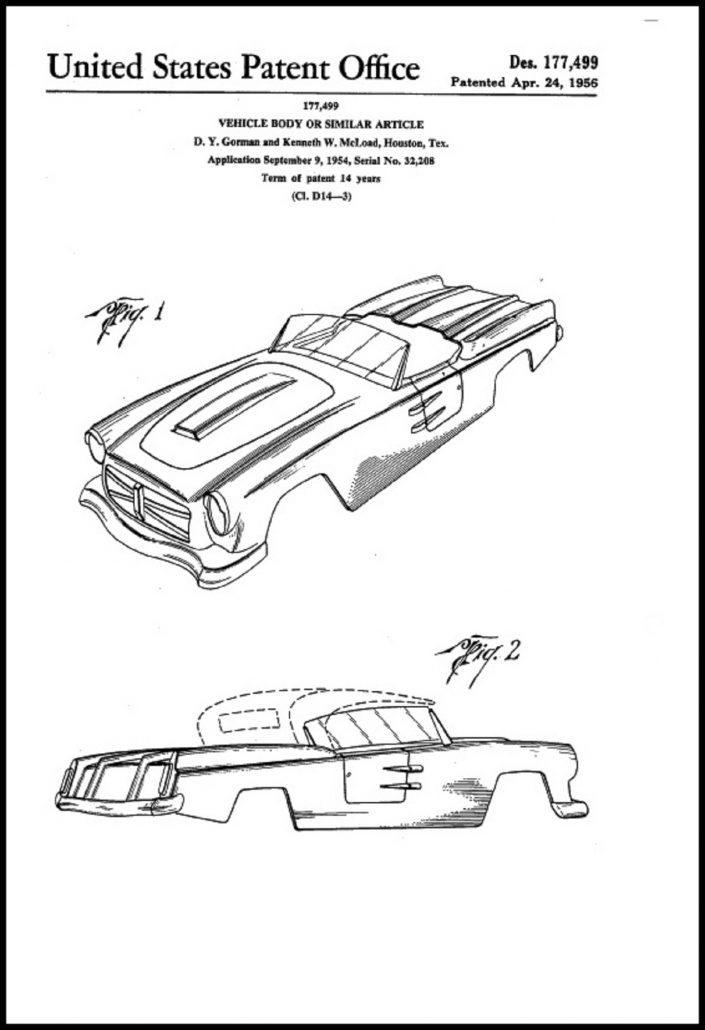
Venus Design Patent
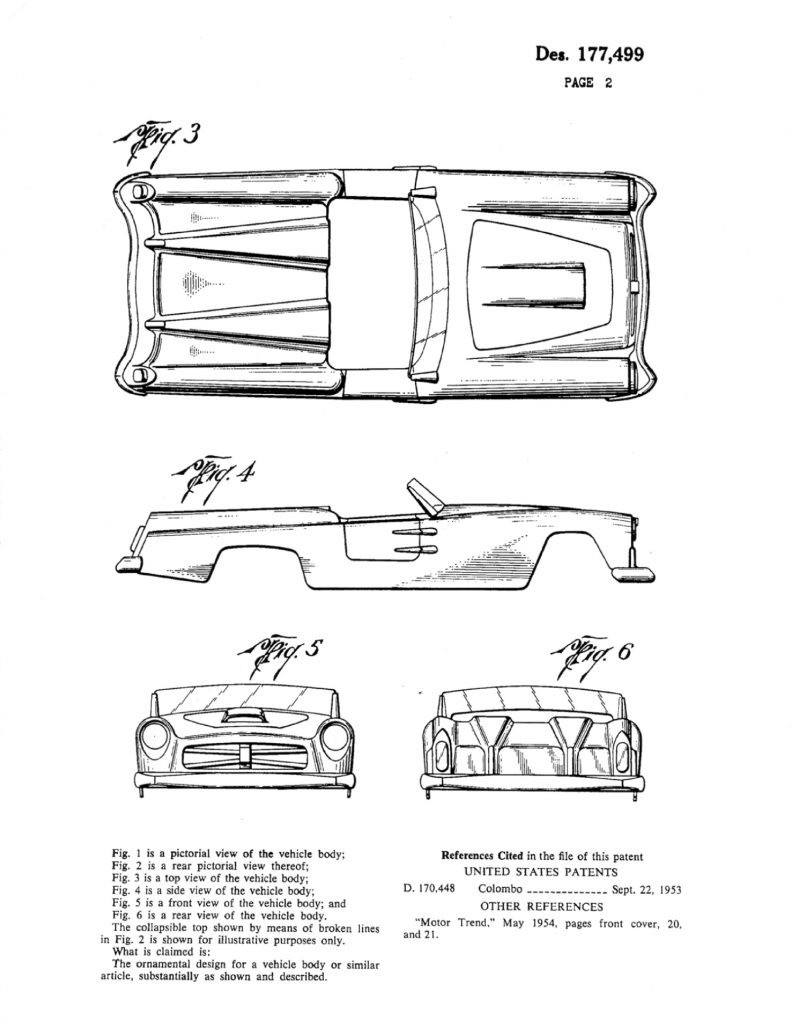
Artwork / Renderings of Finished Car
Terms
Transportation costs and arrangements from Tampa Florida to buyer’s location are the responsibility of the buyer. This car is being advertised locally and we reserve the right to end the auction at any time. Although every effort is made to present accurate and reliable information, use of this information is voluntary, and should only be deemed reliable after an independent review of its accuracy, completeness, and timeliness. It is the sole responsibility of the customer to verify the existence of options, accessories and the vehicle condition before time of sale. Any and all differences must be addressed prior to time of sale. No expressed or implied warranties, including the availability or condition of the equipment listed is made. Full payment via electronic/bank transfer is due no later than 7 days from the end of the auction.